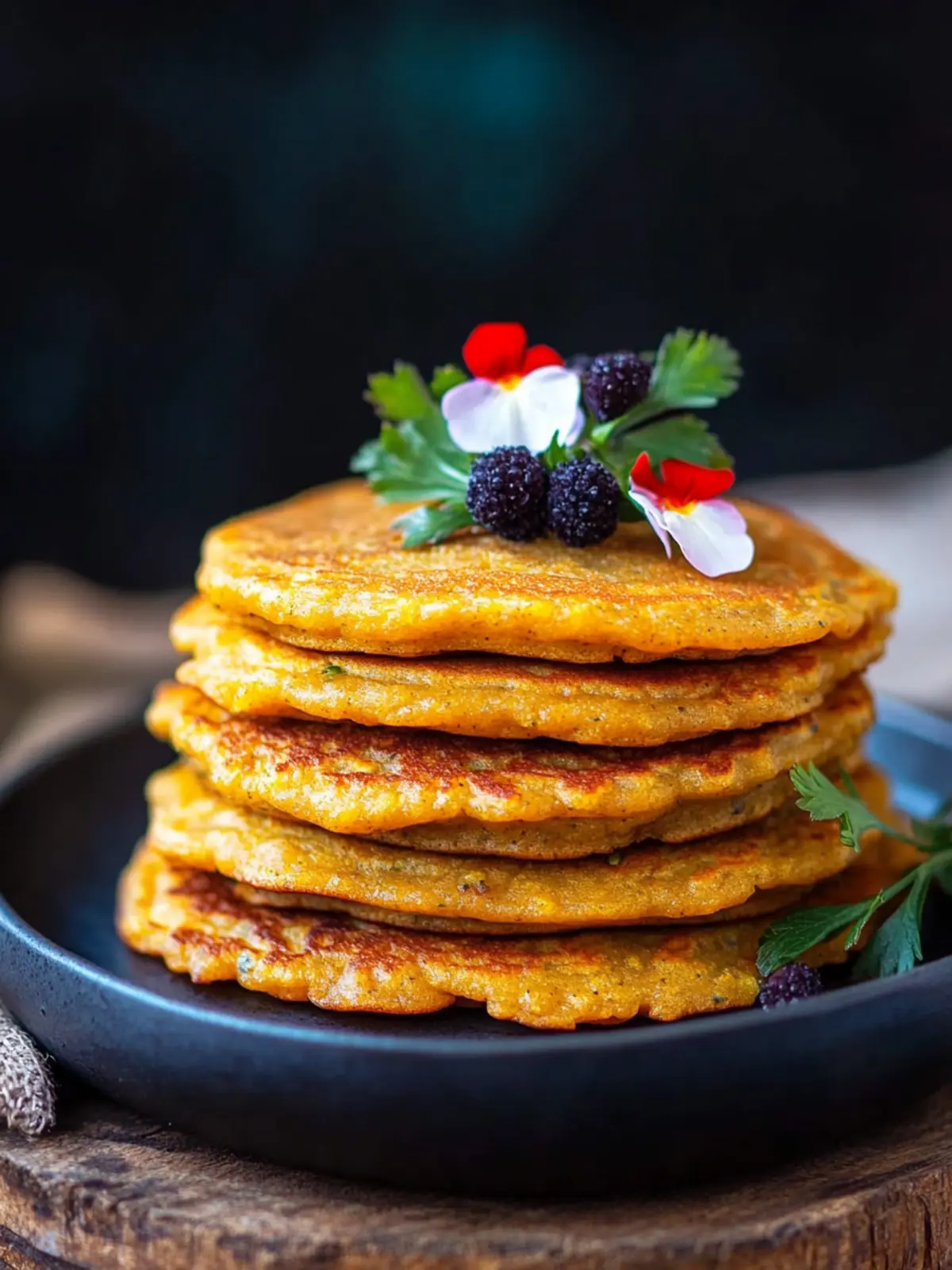
Building on the rising popularity of plant-based cuisine, lentil pancakes stand out as a remarkably versatile, nutritious, and delicious meal option. Far from being a niche health food, these savory pancakes offer a delightful texture and a robust flavor profile that can be adapted to almost any palate. Whether you're a seasoned chef looking for new inspiration or a home cook eager to incorporate more legumes into your diet, exploring the world of lentil pancakes opens up a realm of culinary possibilities. They serve as a fantastic canvas for a myriad of spices, vegetables, and accompaniments, proving that healthy eating can indeed be exciting and incredibly satisfying. Let's dive deeper into the nuances of these incredible lentil creations, from creative variations to essential cooking tips and their undeniable health benefits.
Beyond the Basic Batter: Exploring Lentil Pancake Variations
While the fundamental idea of lentil pancakes is simple – blended lentils cooked like a pancake – the true magic lies in the endless variations you can create. This versatility allows you to tailor them to any meal, craving, or cultural inspiration.
Savory Sensations: Spice and Herb Infusions
The most common approach for lentil pancakes is savory, and here's where spices truly shine. Think regionally-inspired flavors:
- Indian-Inspired Dosa: Incorporate cumin, turmeric, ginger, garlic, and a hint of green chili. These are often made with a mix of rice and lentils, fermented for a slight tang and a crispy texture. Serve with coconut chutney and sambar.
- Mediterranean Flair: Add dried oregano, mint, and finely chopped red onion. A squeeze of lemon juice in the batter or over the cooked pancakes enhances the fresh taste.
- Mexican Influence: A blend of chili powder, smoked paprika, and a touch of chipotle can transform your lentil pancakes into a base for a hearty fiesta. Serve with salsa, avocado, and a dollop of cashew cream.
- Classic Herb Garden: Fresh chives, parsley, dill, or thyme folded into the batter offer a simpler, yet equally delightful, herbaceous note.
Beyond spices, consider other flavor boosters like nutritional yeast for a cheesy umami, finely minced sun-dried tomatoes, or a dash of liquid smoke for an unexpected depth.
Textural Twists: Flour Blends and Vegetable Mix-ins
While some lentil pancakes are made solely from lentils, incorporating other flours or vegetables can significantly alter their texture and nutritional profile.
- Flour Power:
- Chickpea Flour (Besan): Often paired with lentils, it adds binding power, a slight nutty flavor, and extra protein.
- Rice Flour: Contributes to a crispier texture, especially when creating thinner pancakes.
- Oat Flour: Adds a chewier texture and a good source of soluble fiber.
- Whole Wheat or Spelt Flour: If you're not strictly gluten-free, these add a hearty, wholesome flavor.
- Vegetable Integration: Finely grated or shredded vegetables are an excellent way to boost nutrients and add moisture.
- Root Vegetables: Carrots, sweet potatoes, or zucchini add sweetness and moisture.
- Leafy Greens: Finely chopped spinach, kale, or Swiss chard disappear into the batter, offering a nutrient punch without dominating the flavor.
- Aromatics: Sautéed onions, bell peppers, or mushrooms provide depth and texture.
Experimentation is key! Different types of lentils—red, green, brown, or black (Beluga)—also have varying cooking times and textural outcomes, influencing the final consistency of your lentil pancakes.
The Nutritional Powerhouse: Health Benefits of Lentil Pancakes
Beyond their incredible taste and versatility, lentil pancakes are a nutritional superstar. Incorporating them regularly into your diet can bring a host of health advantages, making them an excellent choice for anyone looking to eat well.
Rich in Plant-Based Protein
Lentils are renowned as one of the best plant-based sources of protein, a macronutrient essential for muscle repair, enzyme production, and overall body function. For vegetarians, vegans, or those simply looking to reduce meat consumption, lentil pancakes provide a substantial protein boost. A single serving can contribute significantly to your daily protein needs, helping you feel fuller for longer and supporting sustained energy levels.
Abundant in Dietary Fiber
Both soluble and insoluble fibers are plentiful in lentils. This high fiber content is crucial for digestive health, promoting regularity and preventing constipation. Soluble fiber also plays a vital role in managing blood sugar levels and lowering cholesterol, while insoluble fiber adds bulk to stool, aiding in gut motility. The fiber in lentil pancakes contributes to satiety, which can be beneficial for weight management.
Packed with Essential Vitamins and Minerals
Lentils are a treasure trove of micronutrients. They are an excellent source of:
- Iron: Crucial for oxygen transport in the blood and preventing anemia, especially important for plant-based diets.
- Folate (Vitamin B9): Essential for cell growth and function, particularly vital during pregnancy.
- Magnesium: Supports muscle and nerve function, blood sugar control, and blood pressure regulation.
- B Vitamins: Including B1 (thiamine) and B6, which are important for energy metabolism and brain function.
- Potassium: An electrolyte that helps maintain fluid balance and blood pressure.
These nutrients work synergistically to support various bodily functions, making lentil pancakes a genuinely wholesome meal choice.
Naturally Gluten-Free (When Prepared Correctly)
For individuals with gluten sensitivities, celiac disease, or those choosing a gluten-free lifestyle, lentil pancakes can be a fantastic option. As lentils themselves are naturally gluten-free, ensuring any added flours (like chickpea or rice flour) are also gluten-free allows you to create delicious and safe pancakes for everyone.
Perfecting Your Flip: Tips for Cooking Flawless Lentil Pancakes
Even the most experienced cooks can benefit from a few pointers when itifying a new dish. Achieving perfectly cooked, non-stick lentil pancakes is entirely achievable with the right technique and attention to detail.
Achieving the Ideal Batter Consistency
This is perhaps the most crucial step. A batter that's too thick will result in dense, undercooked pancakes, while one that's too thin will be hard to flip and may fall apart. Aim for a consistency similar to a thick milkshake or a slightly thinner pancake batter. You should be able to pour it easily but it shouldn't be watery. If your batter is too thick, add a tablespoon of water at a time until you reach the desired consistency. If it's too thin, you can add a little more lentil flour (if you have it) or a small amount of chickpea flour to thicken it.
Prepping Your Pan and Heat Control
A good quality non-stick pan is your best friend here. If using a cast-iron skillet, ensure it's well-seasoned. Heat the pan over medium heat. It's essential not to go too high, or the outside will burn before the inside cooks through. Add a small amount of oil (vegetable, canola, or a neutral-flavored oil works well) and spread it evenly. A good test for readiness: sprinkle a few drops of water; if they sizzle and evaporate quickly, your pan is ready.
The Art of Pouring and Spreading
Using a ladle, pour a portion of the batter onto the hot pan. For thinner pancakes (like dosas), immediately use the back of the ladle to spread the batter in a circular motion, from the center outwards, to create a uniform, thin disc. For thicker, fluffier pancakes, simply pour and let it spread naturally. Don't overcrowd the pan; cook 1-2 pancakes at a time depending on pan size.
Knowing When to Flip
Patience is key! Resist the urge to flip too early. Look for these indicators:
- The edges of the pancake start to look set and slightly dry.
- Small bubbles appear on the surface of the pancake.
- The underside, when gently lifted with a spatula, is golden brown.
Once these signs are present, slide your spatula underneath the entire pancake and, with a confident flick of the wrist, flip it over. Cook for another 2-4 minutes on the second side until evenly golden and cooked through.
Preventing Common Pitfalls
- Sticking: Ensure your pan is hot enough and adequately oiled. If pancakes are sticking, try adding a touch more oil to the pan or checking your batter's consistency (too much liquid can sometimes contribute to sticking).
- Crumbling: This often happens if the batter is too dry or doesn't have enough binding agent. Ensure your lentils are blended smoothly. Adding a tablespoon of flour (chickpea or rice) can help bind the mixture.
- Uneven Cooking: This is usually a sign of inconsistent heat. Adjust your stove to maintain a steady medium heat throughout the cooking process.
Serving Suggestions and Savory Pairings
Once you’ve mastered the art of making delicious lentil pancakes, the next step is to explore the myriad of ways to serve and enjoy them. Their versatility allows them to shine at any meal of the day, with flavors ranging from bright and fresh to rich and spicy.
Breakfast & Brunch Delights
Transform your morning routine with these hearty, protein-packed pancakes. Forget the syrup; these are made for savory toppings!
- Avocado & Salsa: A classic pairing. Top warm lentil pancakes with sliced or mashed avocado, a sprinkle of salt and chili flakes, and a generous spoonful of fresh pico de gallo or a vibrant corn salsa.
- Poached Egg & Herbs: A perfectly poached egg adds a rich, runny yolk that complements the earthy lentils beautifully. Garnish with fresh chives, dill, or cilantro.
- Smoked Salmon & Cream Cheese (or Dairy-Free Alternative): For a gourmet touch, layer with thinly sliced smoked salmon and a schmear of herbed cream cheese.
Lunch & Dinner Stars
Lentil pancakes are substantial enough to anchor a main meal. Think of them as a healthy alternative to bread or rice, perfect for soaking up delicious sauces.
- Yogurt Dips & Chutneys: Indian-inspired pancakes are fantastic with a cooling cucumber raita (yogurt dip) or a tangy mango chutney. Mediterranean versions pair well with tzatziki or a simple garlicky yogurt sauce.
- Green Salad & Roasted Vegetables: Serve alongside a crisp green salad dressed with a vinaigrette, or with a medley of roasted seasonal vegetables like asparagus, bell peppers, or broccoli for a complete and wholesome meal.
- Curries & Stews: Use plain or mildly spiced lentil pancakes to scoop up your favorite lentil dhal, vegetable curry, or a hearty stew. Their sturdy nature makes them perfect for this.
- Loaded with Goodness: Treat them like an open-faced sandwich. Top with sautéed mushrooms and onions, a sprinkle of feta (or vegan feta), and a drizzle of balsamic glaze.
Snack Time & Kids' Favorites
Don't forget that lentil pancakes can also be a healthy snack or a fun meal for younger palates.
- Mini Pancakes with Mild Dips: Make smaller pancakes and serve them with hummus, guacamole, or a mild tomato dip.
- Cheese & Veggie Melts: Sprinkle a little cheese (dairy or plant-based) on top of a freshly cooked pancake, let it melt, and add a few finely diced bell peppers or corn kernels.
For even more creative serving suggestions or advanced preparation techniques, explore our other articles on lentil pancakes for continued inspiration.
In conclusion, lentil pancakes offer an exciting and deeply satisfying culinary journey. From their impressive nutritional profile, packed with protein and fiber, to their incredible versatility in adapting to various flavors and cuisines, they truly are a staple for any health-conscious kitchen. Whether you're experimenting with exotic spices or keeping it simple with fresh herbs and vegetables, perfecting your technique ensures a delicious outcome every time. Don't be afraid to experiment with different lentil types, mix-ins, and serving styles. These humble legumes, transformed into delightful pancakes, prove that wholesome eating can be both imaginative and incredibly rewarding, providing a flavorful and nutritious foundation for countless meals.
